

Twelve years ago, I wrote an article called The 10 Must-Have Gins for Home.
It became one of the most-read pieces I had written for The Martini Whisperer.
I have a confession: I wouldn’t write the same list today.
Not because those gins weren’t good. Quite the opposite. But gin has changed — and the home bar has changed with it.
In 2014, the great question was whether the craft-gin revolution would last. In 2026, that question seems rather quaint.
The revolution won.
Today, beautifully made London Drys sit alongside gins influenced by forests, coastlines, tea gardens, citrus groves and native botanicals. Some distillers are pushing gin into places its Victorian creators could scarcely have imagined. Others are doing something much harder: making the classics better.
So I’ve gone back to the idea of ten must-have bottles — but with one important change.
This isn’t a ranking. It’s a journey through where gin has been, where it is now, and where it might be going. So these are presented in no particular order.
And, naturally, I’ve judged every bottle by the question that matters most to me:
What happens when it meets vermouth and becomes a Martini?
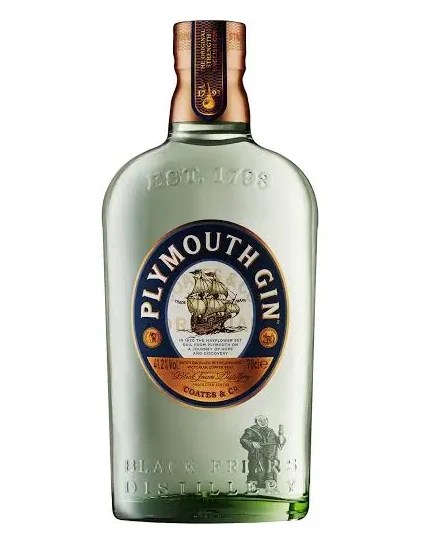
1. Plymouth Gin — England
The Classic
Some things don’t need reinventing.
Plymouth has been made since 1793, and its particular style sits somewhere between the traditional London Dry and something softer and more rounded. It has juniper, citrus and earthy botanical character without the aggressive piney punch of some contemporary gins.
It is one of those bottles that quietly reminds you why classics become classics.
Flavour: Soft juniper, citrus, earthy roots and a rounded botanical finish.
My Martini: 60ml Plymouth, 15ml dry vermouth, properly chilled and stirred.
Vermouth: Dolin Dry.
Garnish: Lemon twist.
My take: There is a reason some classics refuse to go away. This is my go-to comfort zone gin – there is a bottle always in my freezer.
Website: Plymouth Gin
Instagram: @plymouthgin
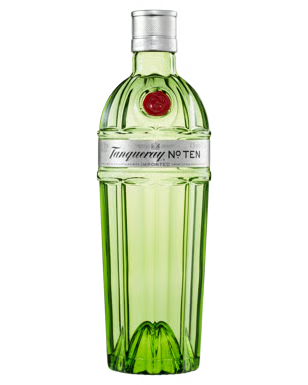
2. Tanqueray No. Ten — England
The Precision Martini
Tanqueray No. Ten is one of the great cocktail gins because it understands something fundamental: precision matters.
It was the first gin distilled using whole citrus fruits, with grapefruit and other citrus sitting alongside juniper and chamomile. The result is bright, clean and exceptionally well suited to the Martini.
It is also one of those bottles where the gin doesn’t need to be hidden behind the vermouth have lots of in-depth flavour, and it was one of the first “super premium” releases of a major gin house in response to the emerging New Western or Contemporary style gins at the time.
Flavour: Bright grapefruit and citrus, juniper, floral chamomile and a crisp finish.
My Martini: 60ml gin, 10–15ml dry vermouth.
Vermouth: Noilly Prat Original Dry.
Garnish: Lemon twist.
My take: This is the gin I reach for when I want the Martini to behave impeccably in a range of styles, as it so versatile and has great depth.
Website: Tanqueray No. TEN
Instagram: @tanqueray
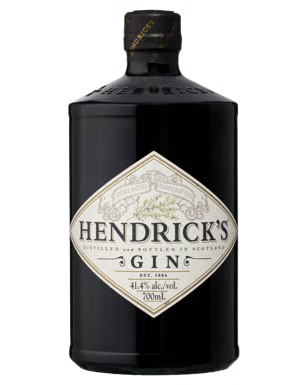
3. Hendrick’s Gin — Scotland
The Modern Classic That Broke the Mould
Hendrick’s is now so familiar that it is easy to forget how radical it was when it arrived.
Cucumber. Rose. A distinctive bottle. A gin that seemed almost deliberately uninterested in following the rules.
When Hendrick’s launched in 1999, it helped spearhead the modern gin renaissance, demonstrating that gin could be floral, playful and contemporary without abandoning its juniper backbone.
Today it feels almost conservative.
That’s how you know it changed the category.
Flavour: Juniper, cucumber, rose and soft floral notes.
My Martini: 60ml gin, around 10ml dry vermouth, with controlled dilution.
Vermouth: Dolin Dry.
Garnish: A thin cucumber ribbon — or lemon if you want to bring it closer to the classic Martini.
My take: Hendrick’s didn’t invent contemporary gin. It helped give distillers permission to stop following the rules by breaking the mould.
Website: Hendrick’s Gin
Instagram: @hendricksgin
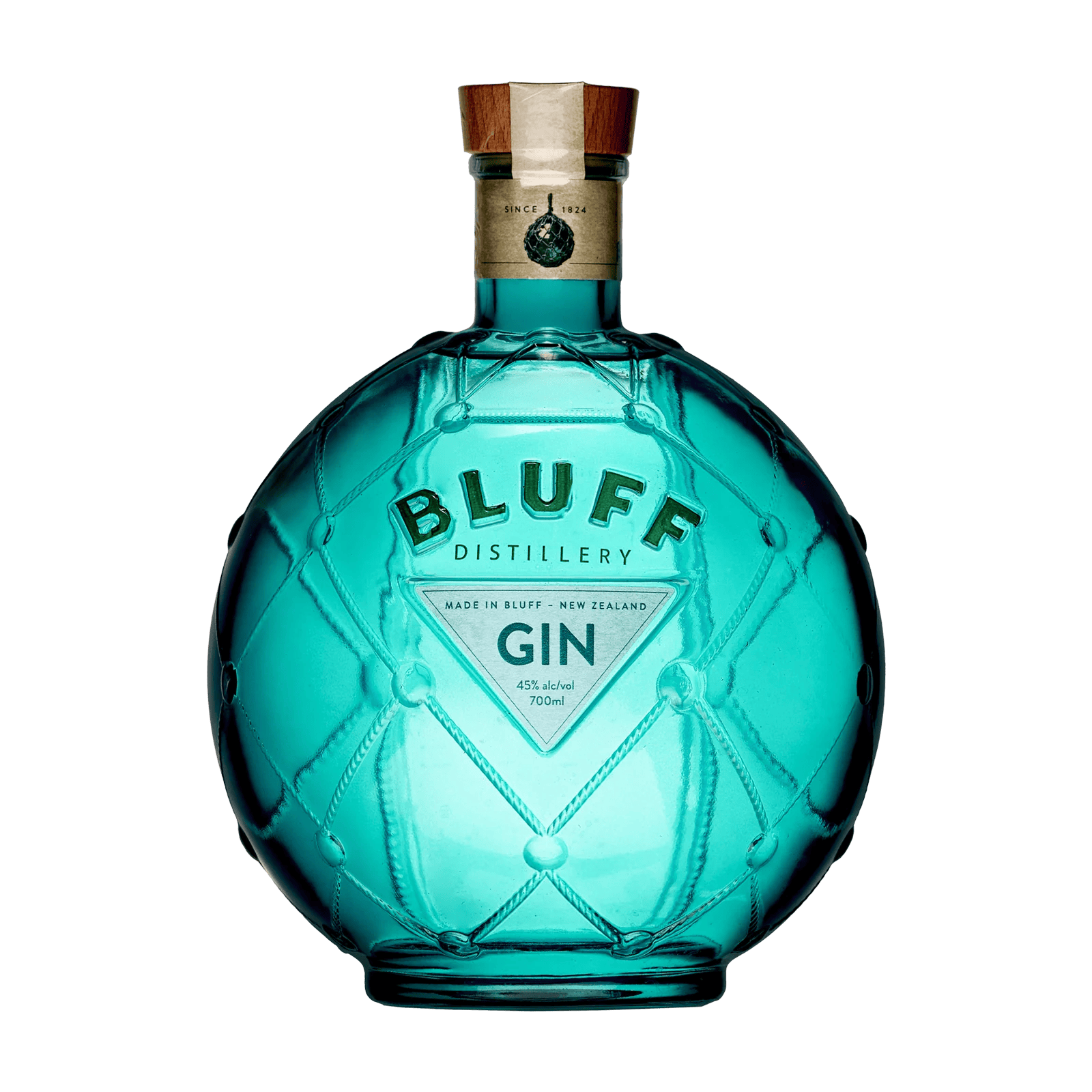
4. Bluff London Dry Gin — New Zealand
The Southern Ocean Martini
From Invercargill, Bluff Distillery produces a classic London Dry with something extra: a subtle coastal character.
This is a gin that makes sense geographically. Bluff sits at the bottom of New Zealand, surrounded by the Southern Ocean, and that maritime influence gives the spirit an intriguing savoury edge.
It’s also a particularly appropriate Martini gin — clean, dry and juniper-forward rather than overloaded with botanicals.
Flavour: Juniper, citrus, dry botanicals and a subtle saline/coastal finish.
My Martini: 60ml gin, 12–15ml dry vermouth.
Vermouth: Dolin Dry.
Garnish: Lemon twist.
My take: This is a great example of what makes a craft spirit so inspiring, and really speaks to its place.
Website: Bluff Distillery
Instagram: @bluffdistillery
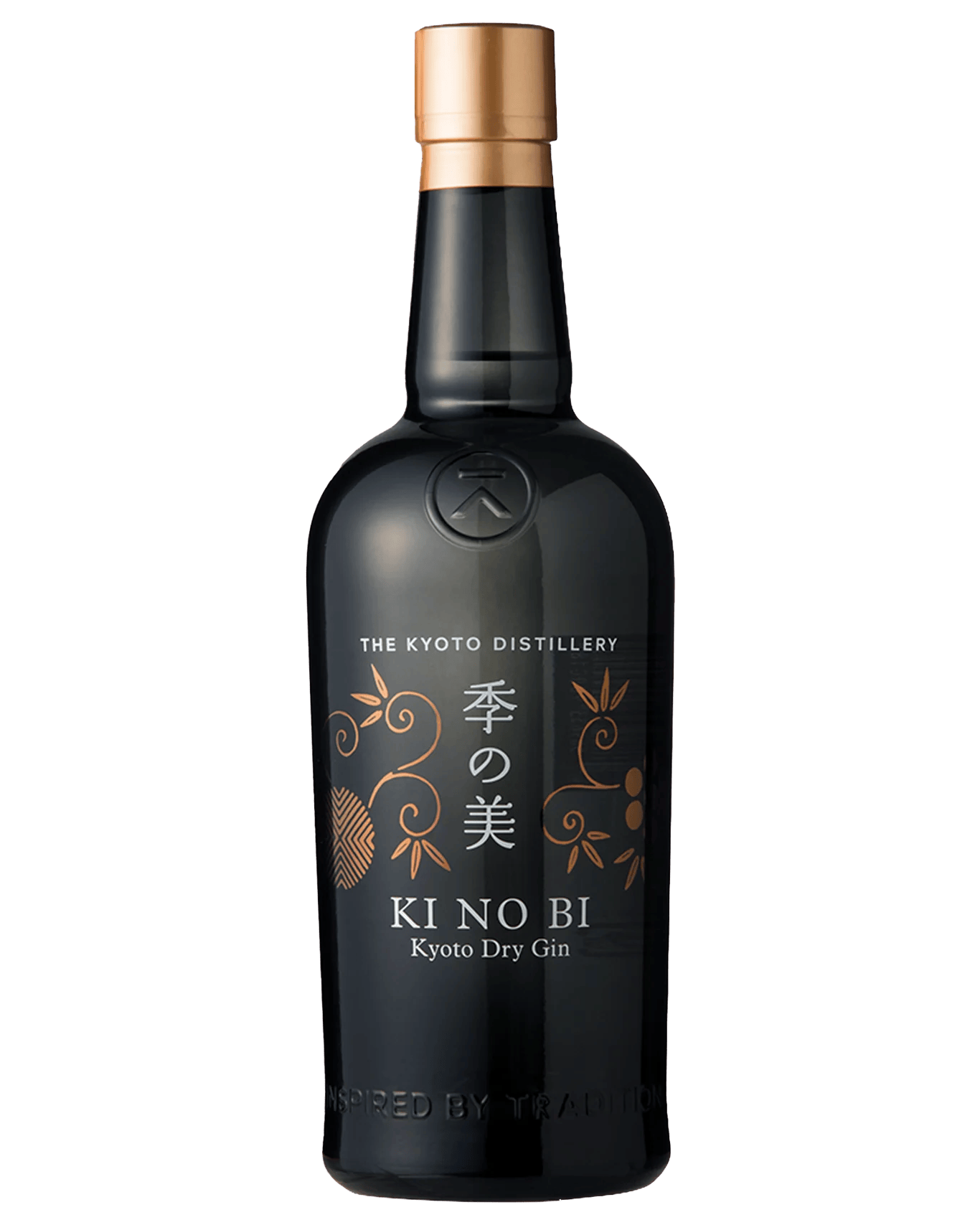
5. Ki No Bi Kyoto Dry Gin — Japan
The new wave Japaense interpretation
Japan didn’t need to make a better London Dry.
It made something else.
Ki No Bi takes the architecture of dry gin and gives it a distinctly Kyoto accent, using botanicals including yuzu, sanshō pepper, ginger and green tea alongside juniper.
The result is recognisably gin, but unmistakably Japanese.
And in 2026, Ki No Bi was named Japan’s Country Winner in the Classic Gin category at the World Gin Awards. Japan more broadly had a particularly strong year at the IWSC, with nine Gold or Gold Outstanding gins.
Flavour: Juniper, yuzu, citrus, sanshō spice, ginger and a subtle green-tea savouriness.
My Martini: 60ml gin, 10–12.5ml dry vermouth.
Vermouth: Dolin Dry.
Garnish: Lemon twist.
My take: Japan hasn’t tried to make a London Dry. It has taken the idea somewhere else. One of the most refined and elegant gins I know, a beautiful expression of its birthplace. See our full review here.
Website: KI NO BI
Instagram: @kinobigin

6. Hernö Swedish Terroir Gin 2026 — Sweden
Gin as landscape
This is the bottle that demonstrates just how far gin has travelled.
Hernö’s 2026 Swedish Terroir Gin is a limited release of just 519 bottles, inspired by an 18th-century Swedish reference to pine shoots and anthill as flavourings for traditional spirits.
It is dry and crisp, with juniper, young pine shoots, citrus, green forest notes and a gently peppery finish.
This isn’t gin trying to taste exotic. They have a particular house style expression, and to be sure, their gins are usually destined and designed to be sipped neat or with a mixer, but that doesn’t mean you can’t travel to Sweden in a cocktail.
Flavour: Juniper, young pine, citrus, green forest and gentle pepper.
My Martini: 60ml gin, 10ml dry vermouth.
Vermouth: Noilly Prat Dry.
Garnish: Lemon twist.
My take: This is gin as landscape. It is also a masterclass on how to manage botanicals and spirit to create a complete balanced experience on the palette.
Website: Hernö Gin
Instagram: @hernogin

7. Sheringham Seaside Gin — Canada
The Coastal Contemporary
From Vancouver Island comes a gin that has already established itself as a modern classic in its own right.
Sheringham’s Seaside Gin draws inspiration from its rugged coastal home, with a botanical profile that gives it a distinctly maritime personality.
It was named World’s Best Contemporary Gin at the World Gin Awards in 2019 and has continued to build an international reputation.
This is contemporary gin done with restraint.
Flavour: Juniper, citrus and savoury coastal botanicals with a maritime finish.
My Martini: 60ml gin, 10ml dry vermouth.
Vermouth: Cocchi Extra Dry.
Garnish: Lemon twist with one olive.
My take: A Martini that is as welcoming as Canada in general, a great introduction to the world of Canadian spirits.
Website: Sheringham Distillery
Instagram: @sheringhamdistillery
8. Never Never Triple Juniper — Australia
The Juniper Purist
If you think gin should taste like gin, step forward.
Never Never’s Triple Juniper is unapologetically focused on the botanical that defines the category.
Juniper leads from the front, supported by citrus, earthy roots and spice, with a long, creamy finish that eventually dries out.
It’s a wonderful antidote to the idea that Australian gin has to be defined by native botanicals.
Sometimes the most interesting thing a distiller can do is simply make the fundamentals exceptional.
Flavour: Concentrated juniper, pine, citrus, earthy roots and woody spice.
My Martini: 60ml gin, 10ml dry vermouth. Keep it very cold and don’t over-dilute.
Vermouth: Noilly Prat Dry.
Garnish: Three olives
My take: If you think gin should taste like gin, this is your bottle. A modern Australian classic and the go-to for bars wanted to present a lucious Martini that is all about the juniper.
Website: Never Never Distilling Co.
Instagram: @neverneverdistilling
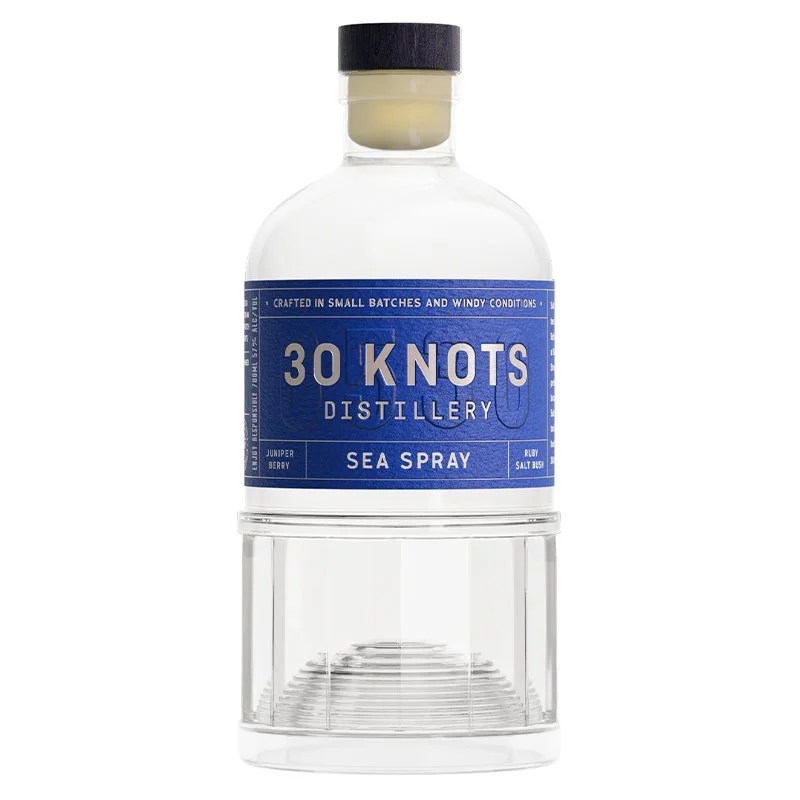
9. 30 Knots Sea Spray Navy Strength — Australia
The 2026 New Release
And now for the bottle that really captures where Australian gin is heading.
Sea Spray, from Geraldton’s 30 Knots Spirits, was named Best New Gin at the 2026 San Francisco World Spirits Competition, receiving Double Gold in the process.
At 57% ABV, this is Navy Strength gin with a serious backbone of juniper, but it also brings ruby saltbush and desert lime into the conversation.
It tastes of the big landscapes and beauty of Western Australia.
Flavour: Juniper, ruby saltbush, coriander, desert lime and a subtle salty edge.
My Martini: 50ml gin, 15ml dry vermouth. Give this one enough dilution to tame the 57% ABV.
Vermouth: Noilly Prat Dry.
Garnish: Lemon twist.
My take: At 57%, this isn’t a gin that definitely speaks to its big home State.
Website: 30 Knots Spirits
Instagram: @30knotsspirits

10. Occitan London Dry Gin — Italy
The Alpine Original
And finally, we head to the Italian Alps.
Occitan, produced by Bordiga in Northern Italy, is a wonderfully traditional gin made with hand-harvested Alpine juniper and a supporting cast of botanicals including cardamom, citrus, thyme and rosemary.
I actually reviewed Occitan back in 2022. My conclusion then was that it was one of the finest London Dry-style gins I’d encountered — and, unsurprisingly, it made an exceptional Dry Martini. I used just 5ml of Dolin Dry vermouth.
It has also given me a particularly nice comparison with Never Never.
If Never Never puts the juniper under a spotlight, Occitan lets the landscape around the juniper into the room and onto your palette.
Flavour: Fresh Alpine juniper, citrus, cardamom, herbs and warm spice.
My Martini: 60ml gin, 5–10ml dry vermouth.
Vermouth: Dolin Dry.
Garnish: Lemon twist.
My take: A recipe from the late 1800s that still feels remarkably relevant and with its wild harvested juniper it is an old recipe that still feels on point today.
Website: Bordiga Occitan
Instagram: @occitangin

So, what actually belongs in the home bar?
The beauty of this list is that there isn’t one answer.
If you want classic with versatility in what you can do with them with various Vermouths or garnishes, start with Plymouth or Tanqueray No. Ten.
If you want to understand how gin changed, pour yourself a Hendrick’s.
If you want to explore place, try Bluff, Ki No Bi, Hernö, Sheringham or Occitan.
If you want to understand where Australian gin is heading, put Never Never and 30 Knots side by side.
And if you want to understand modern gin, don’t just look for the strangest botanical combination you can find.
Look for a gin with a clear voice.
That’s what all ten of these bottles have in common. The world of gin has become enormous. But the best bottles all have something to say, inspired by their locality.

And remember: the gin is only half the Martini.
Chill the glass.
Chill the gin.
Use good vermouth.
Control your dilution.
Now it’s your turn. I’ve given you my ten.
What’s the one bottle I should have included — and what’s your perfect Martini recipe for it?
Tell me in the comments.
Either way, I’ll see you at the bar.



Leave a Reply