
 Updated 27 May 2020
A well made G &T is one of the gifts of Western Civilisation to the world.
After all its one way to enjoy your daily dose of medicinal Gin and still stay hydrated.
But if you think tonic water is just that, you’re about to be enlightened. Possibly like you, I only drank Schweppes most of my life when it came to G & T’s.
A couple of years ago, I travelled to Borneo, and my idea of roughing it in the jungle was a pre-dinner G & T.
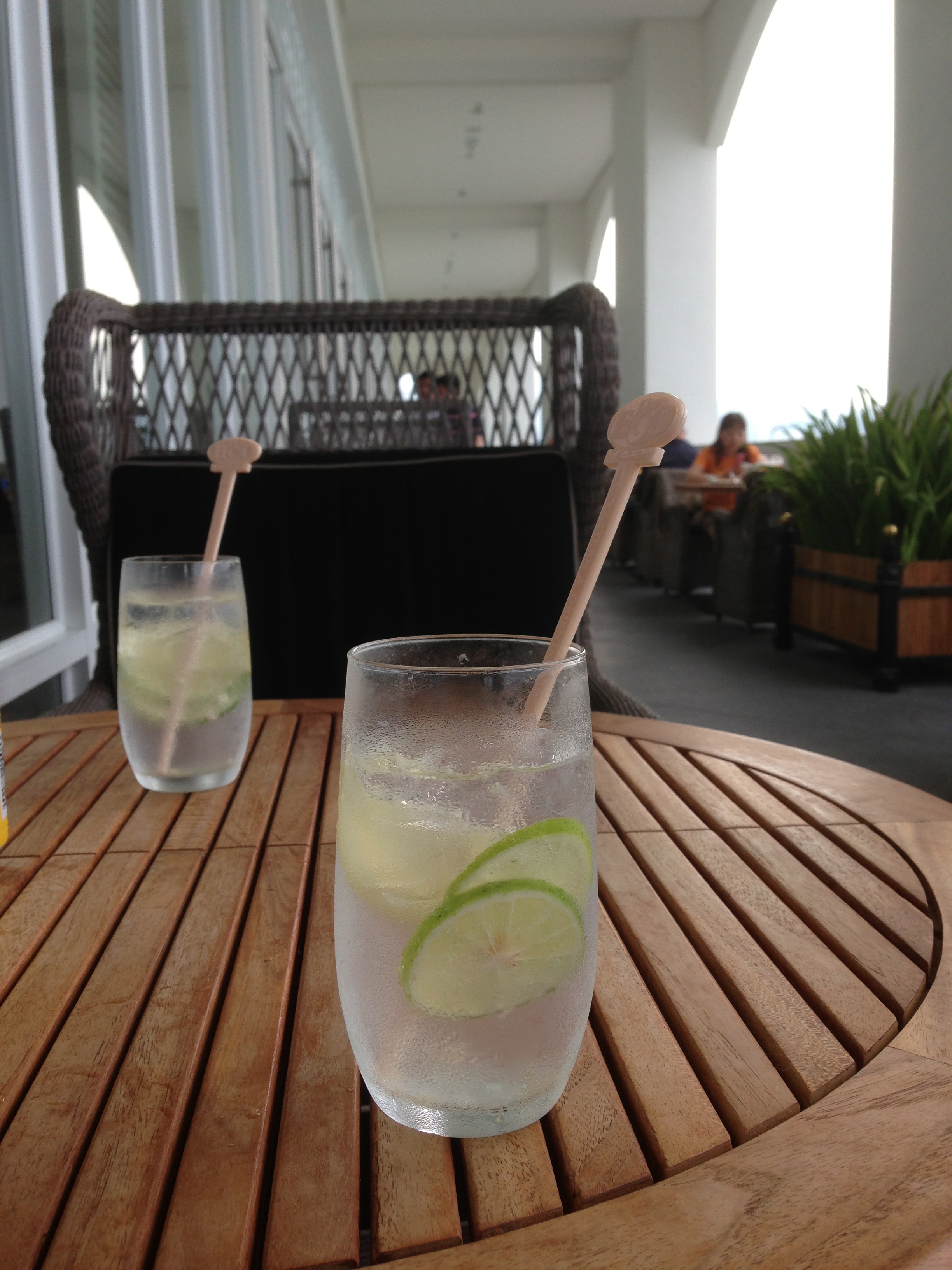
I enjoyed the excellent Bombay Sapphire East version of its Gin, with locally bought limes and self made ice cubes using bottled water in the mini bar (I brought my own ice tray). It was the perfect way to unwind in the tropics and do a little something to ward off Malaria, or so we told ourselves!

Quality Everytime
As the PR folks for the various tonic waters say, if 70% of your drink is tonic, and you’re drinking quality Gin (naturally), then why compromise on the majority of the drink? Good point. But the problem locally has been a) awareness of other brands, and b) availability.
So this post started with some chaps in my local stockists (noting how much Gin I was buying on a regular basis) if I’d try these tonic waters? One was a freebie – Q Tonic from Vintage Cellars, and the other I purchased on recommendation from Jim Murphy’s in Fyshwick locally, Fever-tree from the UK.
That got me researching the subject, and to my joy there is Australian Tonic Water too: Capi and also from Daylesford in Victoria. Who knew?
What’s Tonic Water?

Each website I looked had a different version of the origins of Tonic water. Some say Peru, others Ecuador, for the source of the original use of the bark of the Quinquina (renamed the Cinchona by colonists) tree to treat malaria in the 1600’s.
Certainly it was the indigenous people who shared the medicinal properties of the bar with the colonialists and that was brought back to the Old World, along with all the gold.
According to wikipedia:
“Though it has been synthesized in the laboratory, quinine
occurs naturally in the bark of the cinchona tree.
The medicinal properties of the cinchona tree were originally
discovered by the Quechua, who are indigenous to Peru and Bolivia; later, the Jesuits were the first to bring cinchona to Europe.”
A fellow splendidly named Eramus Bond created the first commercial tonic water in 1858 and Joseph Schweppes followed in 1870 with his Indian tonic water.
Tonic water was used to mask the bitter flavour of quinine for British Empire troops (the French developed Dubbonet for the same reason by the way), and since Gin was a daily ration for the armed forces too in some locations and so the G & T was born and civilisation took a step forward. Quinine has been produced synthetically since the 1940’s to treat Malaria.
Note, in large doses it can be fatal, so it’s dosage in tonic waters is regulated There a condition known as cinchonism which results from an overdose of quinine, with symptoms including nausea, vomiting, dizziness etc. In Australia the use of quinine in water based flavoured drink to not exceed 100 milligrams (or 0.1 gram) per kg.
Make Your Own 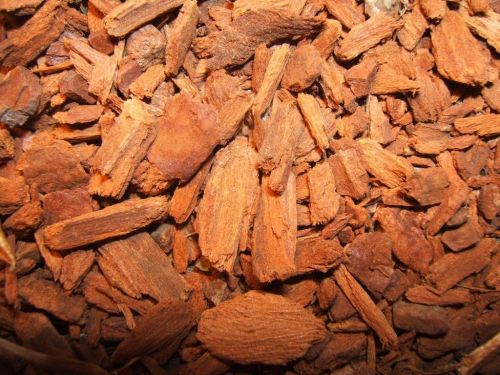
Something I didn’t know, until researching this post, is that you can make your own tonic water and there is a small range of tonics, such as this pukka Empire Tonic from New Zealand, and also from the US and UK you can buy to mix with soda (like adding cordial) to create your own to taste as you go along.
You could get your safari kit out and go source the herbs and Cinchona bark. Or you can brew your own.
I’ll be embarking on my own Tonic mixing adventure soon, aiming to create a Canberra Tonic, having found a source online of the Cinchona bark powder – the key ingredient-here in Australia- this will be the subject of another post.
But in the meanwhile, here is a link to a recipe you may wish to try, plus this one featured in the New York Times.
TASTING NOTES
Here I look at a range of tonics:
- Capi
- Schweppes
- Fever Tree
- Q Tonic
- Quina Fina
Also look out for these tonics or syrups brands
- Achilles Gin Dirty Tonic Syrup
- Artisan Tonic Waters
- Blood Moon tonic syrup (read review here)
- Billson’s Aromatic Tonic Water
- Bradley’s Tonic Syrup
- Daylesford and Hepford Springs Tonic
- East Imperial Tonic Water
- Fentiman’s Tonic Water
- Long-Rays Native Tonic Water
- Monday Distillery Non-Alc Gin + Tonic
- Poachers Classic Premium Irish Tonic Water
- Sin-ko-nah Tonic Syrup
- Strange Love Tonics (read review and interview here)
- Tasmania Tonic Company (read review and interview here)
- Other tonic Syrups > Only Bitters shop

Now, if like me, all you’ve drunk in your life is Schweppes, then it’s hard to gauge what’s good or not in a tonic water.
But I’m assuming you don’t want a lot of flavour or sweetness on the tonic water, else that would mask the Gin and defeat the purpose of the mixing. So allowing for personal taste, here’s my take on the waters.
Each has a distinct personality and each is a quality product, you just need to find the style that works for you. The other consideration is that in some cases a more full flavoured Gin would work better to cut through the tonic.
Sample Method + Comments
I drank each on their own slightly chille with no ice, and then each with 30ml Tanqueray Gin and a slice of lime, 2 ice cubes in a 1 : 5 ratio.
Capi
I was excited to find what I think is the only Australian Tonic water (they also
make other sparkling drinks) and it has smart package and savvy
social media marketing, its also very affordable.
If you’re looking to improve on your regular Schweppes and can’t track down the others, then this is an excellent option Its not as dry on the palette as
Fever-Tree or Quina Fina
It offers a clean finish with more flavour and a hint of bitterness at the end.
It is more carbonated than all but Schweppes and is generally more rounded on the palette, but it fade fast.
It makes a nice G+T, but its doesn’t really shine in the company of the other waters. I think you’d need a stronger flavoured Gin to cut through.
Fever -Tree
The word on the street was this was the tonic of choice for the discerning
drinker and I can see why. It was very dry and forward on the palette, lightly carbonated.
It uses all natural ingredients, including sugar cane syrup, and that gave it a fuller mouth-feel with a hint of sweetness without a sugary taste.
That meant you can drink it quite happily by itself (the wife stole my sample after sipping it), and in a G+T it perfectly supported the Gin.
You could taste the spices of the spirit, had it gave a clean after
taste and it married perfectly. This was, for someone who loves
dryness in his wine and drinks generally, the one for me.
Note there are two types, one with a gold label and another with a blue.
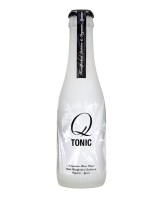
Q Tonic
This New Yorker is a classy product. I found it lightly
carbonated, bone dry, delicate even, and not much in the way of
sweetness or bitterness. So you could sip this happily with a
garnish if desired.
In that way is a perfect marriage for flavoursome Gins that you don’t want to mask, such as West Winds, Beefeater and the like.
On a whim, I tried it also with Bombay Sapphire East and you got all the
complexity of the spirit coming through wonderfully- it supported
just as it should.
So if its a dry elegant tonic you’re after, with neutral flavours, this is an excellent product.
Quina Fina
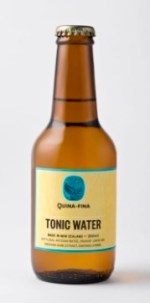
This came with a high reputation among the
cognescenti (and thanks to my twitter pals for putting me in the right direction here). If there is one country that punches above it weight, its New Zealand.
This accomplished product was worth the effort to track
down, and the lovely folk at Sip Sip were very accommodating allowing me to purchase some samples.
This sits in the middle of the various styles I tried: very dry, but with a full mouth feel than it initially suggests Quite neutral in flavour, and no hint of bitterness with very clean finish.
With the Gin it sat back and let the spirit do the talking. If you like your G+T’s with a dry finish on the palette, then this is a strong contender. If you don’t want the austerity of Fever-Tree or Q Tonic, then take this kiwi out on a date.
Schweppes
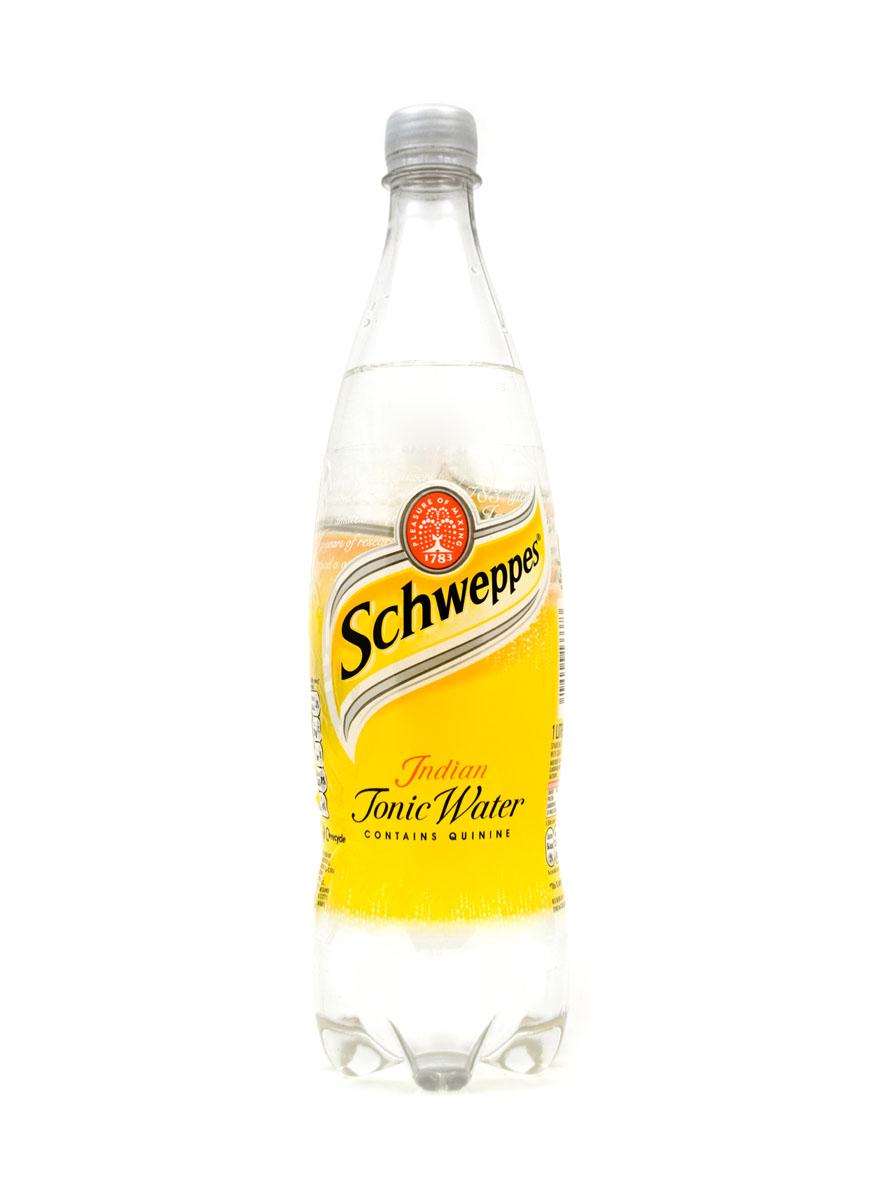
I don’t want to give you the impression that the new kids on the block have stolen the crown from this venerable product. There is a reason its been made since the 1870’s- its good and it works.
Note, there is a huge difference between that in bottles, cans and post mix in my experience. Bottles every time.
I left the tasting of this water until last and compared to theothers I found this had a hint of sweetness and was more full flavoured and carbonated, but not unpleasantly so.
You can taste the slight bitterness, which is appropriate, and you know you’re going to make a proper G+T with this mixer with any Gin.
Details
Capi
“Their Tonic Water contains natural Quinine that is extracted from the bark of the Cinchona tree in the Democratic Republic of Congo and blended with Orange and Lemon essential oils.”
- Website
- Retail Price and purchase. $7 per 4 x 250ml bottle via Dan Murphy’s
- Origin: Australia
Fever-Tree
“By blending fabulous botanical oils with spring water and the highest quality quinine from the fever
tree, we have created a delicious, natural tonic with a uniquely clean and refreshing taste and aroma. Quinine from the Rwanda / Congo Border.”
- Website
- Retail
Price: about $12 for 4 x 200ml pack at Jim Murphy’s Canberra - Origin: UK
Q Tonic
“Q Tonic is dedicated to making the world’s best tonic water – a clean, crisp, completely ungeneric beverage thatenhances the finest spirits or stands proudly on its own. We’ve used the best ingredients we could find. We went to the slopes of the Peruvian Andes for hand-picked quinine and to the Mexican countryside for organic agave, a sweetener better than honey with a gently rounded sweetness.”
- Website
- Retail Price, variable $10-$12 per 4 bottles x 300 ml try Vintage Cellars and their facebook page for details of stockists
- Origin: New York, USA
Quina Fina
“Our story began in 2009 after a chance visit to Loja, Ecuador. Quina Fina embraced a locally supported opportunity to grow Cinchona for our tonic water, contribute to natural research and begin a re-population program – right here, where it’s history began nearly 400 years ago”
- Website
- Sip Sip for online
- purchase. (case of 24 x 250ml for $49.95 plus shipping
- Origin: New Zealand
Schweppes
“First launched in London in the 1870s, Schweppes Indian Tonic Water is a modern day icon. Today, Schweppes Indian Tonic Water yields a zesty hit of oils from Australian orange and lemon peels, finished with a delicate touch of quality-certified quinine from the tropics.”


 The Martini Whisperer
Pingback: Review: Stone Pine Gin | Canberra Martini
Pingback: Review: Botanic Australis Gin | Canberra Martini
Pingback: Review: Blood Moon Tonic | The Martini Whisperer
Pingback: New look + feel for blog. | The Martini Whisperer
Pingback: Index of Posts | The Martini Whisperer
Pingback: Review: Forty Spotted Gin Summer Release | The Martini Whisperer
Pingback: Review: Canberra Distillery Gin | The Martini Whisperer
Very interesting post! I’m experimenting with making my own tonic syrup at the moment – haven’t quite cracked the recipe yet, but it’s fun trying!
LikeLiked by 1 person
That sounds great! Its interesting to see several tonic syrups on the market now and it takes a while to get used to having a G+T with a coloured tonic water, but yummy! If you crack the recipe let me know. 🙂
LikeLike
Hi there, just letting you know that I’ve now published my adapted version of one of the many tonic syrups floating around on the net. I can’t say if I’ve “cracked it” as I haven’t tried any other recipes that I could compare it to. However, I’ve played around with this one to get it exactly where I want it to be (three increasingly delicious batches so far!). Are you still developing your own version? How’s it going?
LikeLike
Hi Chez, apologies for taking so long to respond- thanks for the note! Sounds like you’ve had more success than I. I’ve tried a couple of batches / one was toooo bitter and the other didn’t have a colour that was appealing but tasted ok. I’ll keep plugging away. It’s definitely an acquired taste tho & a different way of enjoying Tonic. You have to shift your gears on its premise and enjoy it for what it is.
LikeLiked by 1 person
Pingback: Gin Lane | How to drink Stone Pine Gin
Pingback: Review: Hobart No.4 Gin | The Martini Whisperer
Pingback: Review: Catcher & Co Bathtub Gin | The Martini Whisperer
Pingback: Review: Strangelove Tonic Waters – The Martini Whisperer
Pingback: Review: Original Dry Gin – The Martini Whisperer
Pingback: Review: McHenry Federation Gin – The Martini Whisperer