
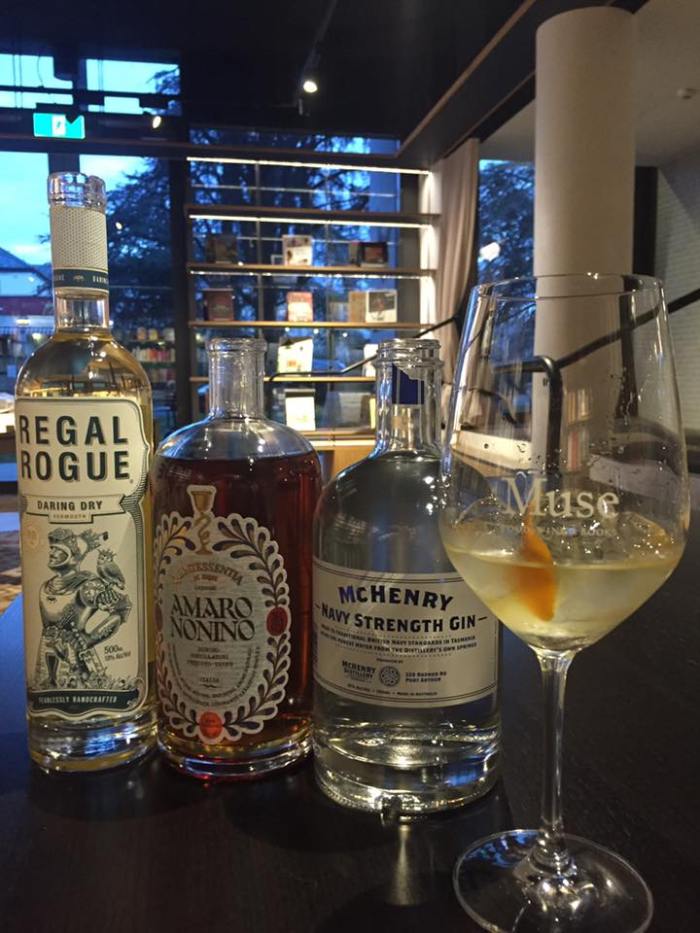
 Some genius has decided a certain week each September is Negroni Week. This is an annual event launched in 2013 by Imbibe Magazine and Campari. Negroni Week celebrates the cocktail while raising funds for charitable causes.
Each year, bars and restaurants worldwide participate by serving Negroni variations and donating a portion of sales to charities, helping to cement the drink’s status as both a beloved classic and a modern favourite.
I know my way around a Martini clearly, but I also make a mean Negroni, move over Stanley Tucci! This classic cocktail is perfect anytime, anywhere and lends itself to lots of variations to suit your taste, and still remain a superb apertif.
The Negroni, the bold and sophisticated cocktail, has long been a favourite among drink connoisseurs.
With its striking red hue and perfectly balanced bitterness, is is composed of, typically, equal parts gin, Campari, and sweet vermouth. Despite its straightforward recipe, the cocktail’s deep and complex flavours have captivated drinkers for over a century.
The Origins of the Negroni
The Negroni’s origins are widely attributed to early 20th-century Italy, but, like many classic cocktails, its creation story is coloured with a blend of fact and folklore. The most popular and accepted version of the story traces the cocktail back to 1919 in Florence, Italy.
According to legend, Count Camillo Negroni, an Italian aristocrat, is credited with inspiring the drink when he requested an Americano (a mixture of Campari, sweet vermouth, and soda water) but asked the bartender to swap the soda water for gin to give the cocktail more strength.
This small tweak resulted in a bold, spirit-forward drink that quickly gained popularity in the Florentine café scene. The bartender responsible for fulfilling Count Negroni’s request, Fosco Scarselli, garnished the cocktail with an orange peel instead of the traditional lemon twist used in the Americano, giving the Negroni its signature look.
It’s one of the few old school cocktails that you can actually put and place, name and a time to it’s creation.
The drink was so well received that it became known as the “Negroni,” immortalizing the Count’s name in cocktail history. Soon after, Count Negroni’s family founded a distillery, producing a ready-made version of the cocktail called “Antico Negroni.”

Evolution
From its inception in the early 1900s, the Negroni quickly became a staple in Italian cocktail culture and spread across Europe. As it traveled, bartenders began experimenting with the original recipe, leading to several Negroni-inspired drinks that catered to different palates.
One of the most famous variations is the Boulevardier, a whiskey-based twist on the Negroni, which replaces gin with bourbon or rye whiskey. Created in Paris in the 1920s, the Boulevardier reflects the Negroni’s adaptability, blending the cocktail’s essential components with new spirits to create a distinctly different, yet familiar drink.
Similarly, the Negroni Sbagliato (“mistaken Negroni”) was invented in Milan in the 1970s when a bartender mistakenly used sparkling wine instead of gin. Despite the “mistake,” the Sbagliato became a hit, offering a lighter, more effervescent take on the classic cocktail. I’ve had this, it’s delicious in summer.

Key Ingredients
A traditional Negroni consists of three key ingredients: gin, Campari, and sweet vermouth. Each plays an integral role in achieving the cocktail’s balance of flavors:
Gin: The backbone of the Negroni, gin adds a botanical sharpness that cuts through the richness of the other ingredients. The type of gin used can dramatically alter the flavor profile of the drink. Classic London dry gins bring crisp juniper notes, while more modern, citrus-forward gins can add a refreshing twist. I prefer one with a bit of spice and punch, so even a Navy Strength style can be good, or even old fashioned Beefeater. This gin isn’t really the point in this cocktail.
Campari: A key component in many Italian cocktails, Campari is a bright red, bitter liqueur made from a blend of herbs, spices, and fruit. Its distinctive bitterness is essential to the Negroni’s flavor, creating a contrast to the sweetness of the vermouth. Remember, you can always dial that back a bit, and add more of the Sweet Vermouth which is what I tend to do.
Sweet Vermouth: An aromatized wine infused with botanicals, sweet vermouth provides the Negroni with a rich, mellow sweetness that balances the bitterness of the Campari. Italian sweet vermouths are often preferred for their smooth, complex character, but I like Dolin also for a Negroni.

Cultural Resurgence
Though the Negroni has been a staple in Italian cocktail culture since the early 20th century, it has experienced a resurgence in popularity over the past few decades. In the 21st century, the cocktail renaissance brought a renewed interest in classic, spirit-forward drinks, and the Negroni was well-positioned to become a favorite once again.
Bartenders around the world have embraced the Negroni’s simplicity and flexibility, often putting their own spin on the drink by incorporating local ingredients or experimenting with alternative spirits – and check out my own recipes here.
Some modern variations include the Mezcal Negroni, which replaces gin with the smoky Mexican spirit mezcal, or the White Negroni, which substitutes Lillet Blanc for sweet vermouth and Suze, a bitter French liqueur, for Campari.

How to Make the Classic Negroni
Making a Negroni at home is incredibly simple, the classic recipe requires equal parts gin, Campari, and sweet vermouth:
- 1oz or 30ml gin
- 1oz or 30ml Campari
- 1oz or 30ml sweet vermouth
- Orange peel for garnish
Method
- Fill a mixing glass with ice and add gin, Campari, and sweet vermouth.
- Stir well until chilled, then strain into a rocks glass over ice.
- Garnish with an orange peel to enhance the citrus notes of the drink.
The Negroni stands as a testament to the power of simplicity in cocktail making. With just three ingredients, it delivers a harmonious balance of bitterness, sweetness, and strength. Salute!





Leave a Reply